Sector
Renewable Energy
URC Regulatory Role in Renewable Energy
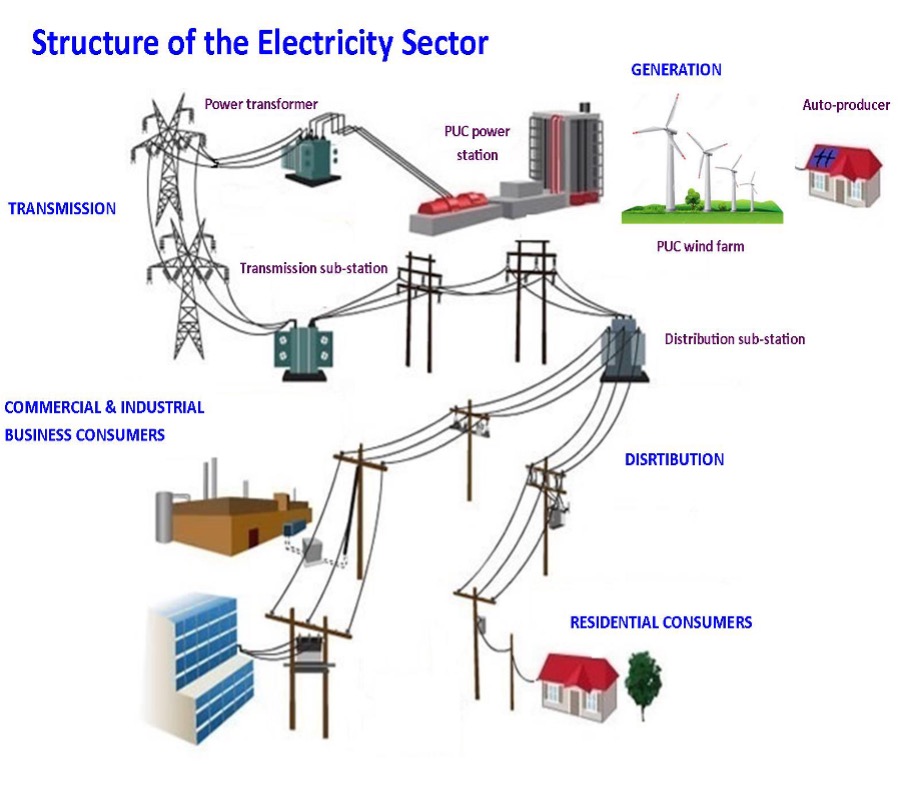
URC’s responsibilities include overseeing licensing and authorisation, regulating tariffs, and ensuring fair competition within the electricity sector, all of which are crucial for fostering a conducive environment for renewable energy development.
Why Renewable Energy Matters
Electricity generation through fossil fuels contributes to the production of greenhouse gas emissions. Renewable sources of energy offer unique opportunities with innovative technologies to speed up the process. This will help in diversifying our energy supply, improve energy access, create job opportunities, enhance our energy security and as a whole improve our quality of living.
Renewable technologies are getting more and more innovative every day, having the advantage to easily deploy them anywhere needed.

Seychelles Energy Context
Seychelles, as a Small Island Developing State (SIDS), relies heavily on imported fossil fuel to produce electricity and as fuel for transportation. During recent years, due to rapid economic growth linked to foreign direct investment and an increase in tourism activities, domestic energy demand has grown rapidly. Our consumption in electricity alone reflects this general trend in the increase of energy demand and use.
Reducing Fuel Import Dependency
These figures highlight our dependence on imported fossil fuel and the need for us to diversify and improve energy security, thereby significantly reducing our fuel import burden based on the fluctuating fuel costs. Transitioning to renewable energy is not just an environmental imperative — it is an economic necessity for Seychelles.